Guild Recce of Operations Chariot and Frankton, 17-20 September 2026
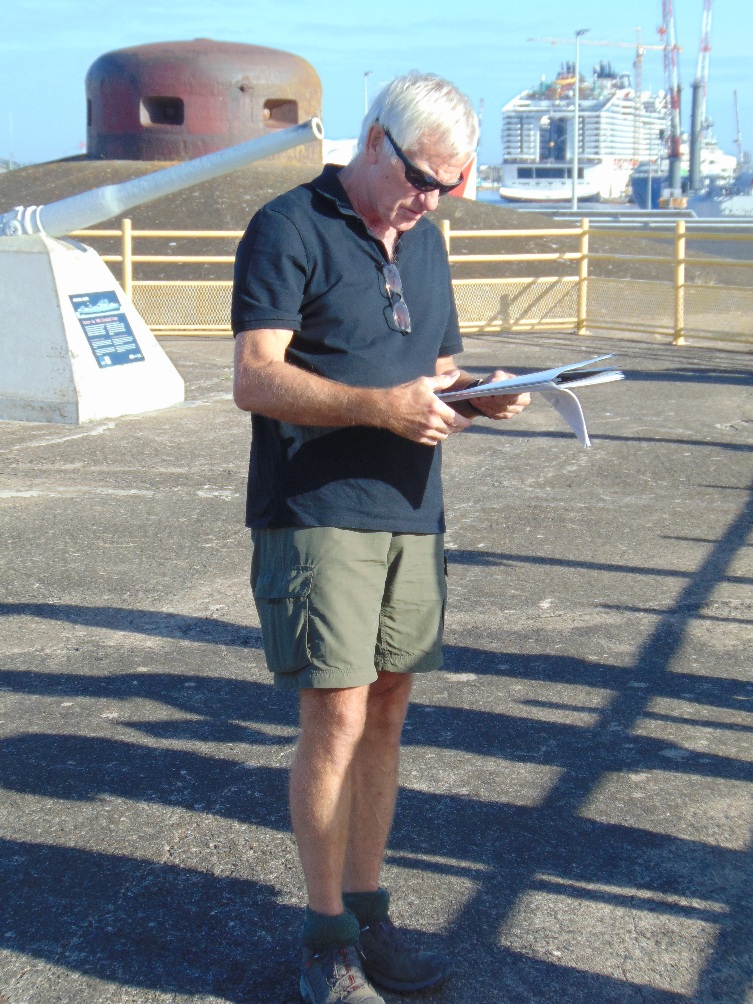
Paul in action next to the Normandie Dock in St Nazaire which was rammed by HMS Campbeltown in Op CHARIOT
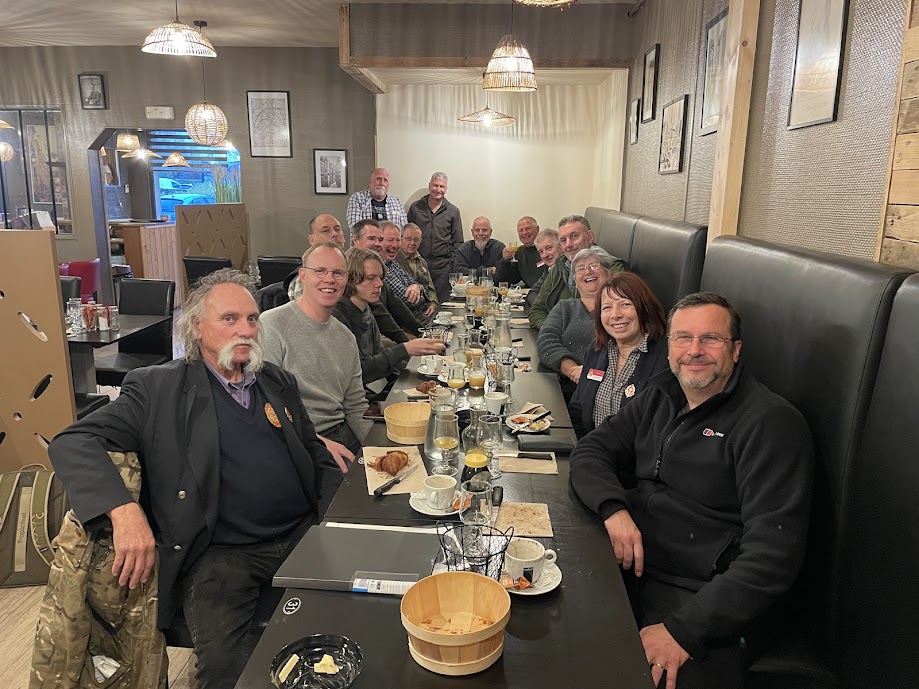
Thirteen members attended the recce, which commenced on the Loire estuary west of St Nazaire on the afternoon of the 17th. The attendees included one currently living in Ireland, one in Jersey and four in France. Although it took no part in the Raid on St Nazaire, the first location visited was the Grand Blockhaus at Betz-sur-Mer, an excellent example of an artillery fire direction bunker. It is privately owned and veterans get a discount, but ETOA membership cards are not accepted. There the scene was set for Op Chariot, followed by brief visits to the hotel used as a temporary hospital for wounded raiders and the British (Escoublac-La-Baule) and German (Pornichet) war cemeteries. German cemetery records contain much less information than the CWGC. Pornichet is a concentration cemetery and, although a number of graves record 28 March 1942 as the date of death, there is no way of knowing where the victims died. One section of the cemetery appears to be for civilians. Mysteriously their dates of death were mainly in 1945, many after VE Day, and some were in their 70s and 80s. What were they doing in St Nazaire?
On the way into town there was a visit to one of the German coastal gun batteries. In March 1942 there were four 75mm guns there. However, the size of the casemates indicates that much larger guns were installed, possibly after the raid. One casemate had the traverse of its gun eastwards increased by a crudely chipped out recess in the concrete. It is conjecture, but this may have been done after the raid as the coastal batteries were unable to fire on the raiding force during the final run-in to the target. However, so far it has not been possible to ascertain with any accuracy when the casemates were constructed. That evening the group walked up the ramp to the roof of the massive U-boat pens in St Nazaire to survey the docks before touring the area next day.
A number of possible stands were visited around the Normandie Dock, including the roof of the U-boat entry lock, the inner caisson and winding house, Old Mole and Bridge of Memories. The group then drove to Royan in order to be in position to catch the first ferry across the Gironde in the morning and start the Op Frankton recce.
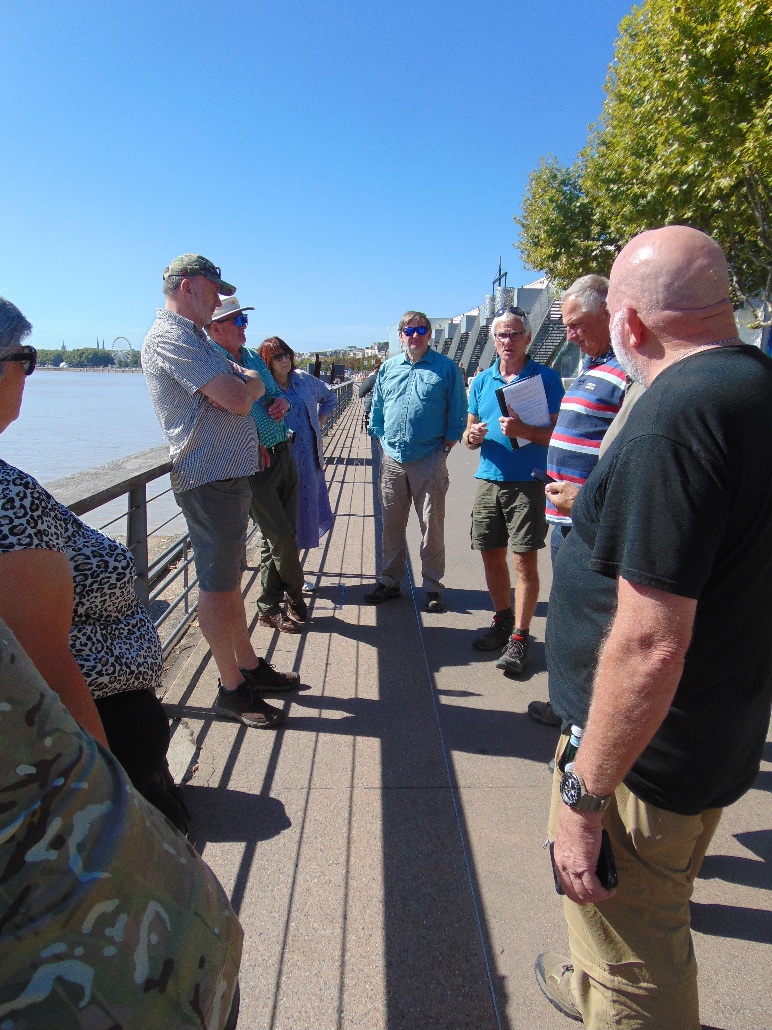
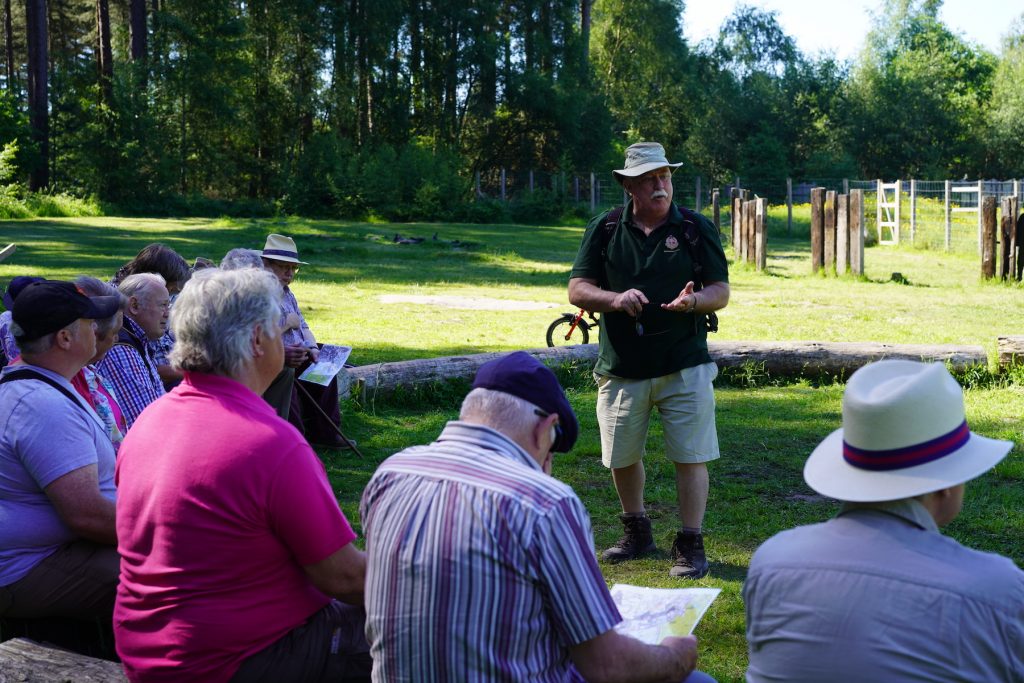
Paul addressing the group on the quayside at Bordeaux where the “Cockleshell Heroes” planted their limpet mines on the German blockade runners in Op FRANKTON
At Le Verdon brief stops were made at Pointe de Grave, the Frankton Memorial and the Phare (great views of the coast and the route taken by the raiders after leaving the submarine HMS Tuna). Next the group overlooked the bay where Sheard and Moffatt had to be abandoned – a very sobering stand. Three of the hides used by the raiders on the way to Bordeaux were visited, before the site of the attacks on the blockade runners in the city. Next, we saw where Haslar and Sparks came ashore north of Blaye and began their overland escape. They had paddled 105 miles and then had to walk 100 miles to make contact with the escape line. They completed this 205-miles journey with one night in a bed and one hot meal! One of the farms (Nâpres) that sheltered them was visited near St Preuil and then the former hotel in Ruffec (now a takeaway pizza shop), where they made contact with sympathetic French civilians (at huge risk) and started the long journey home along the escape line. The final visit was to the first safe house (Marvaud Farm) on the Vichy side of the Demarcation Line.
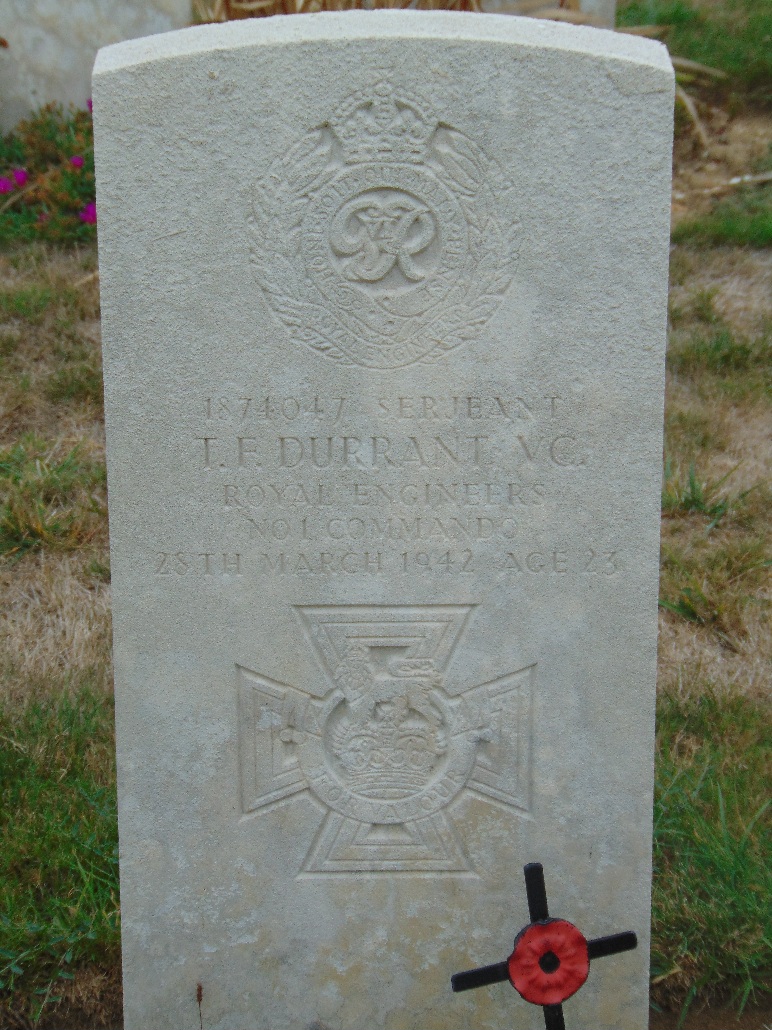
The grave of Sergeant Tom Durrant RE, one of the five men awarded a Victoria Cross for their actions during Op CHARIOT
The two recces were very different. Op Chariot involved 625 RN and commando personnel and the action in St Nazaire covered a small area. Indeed, once in the docks the whole tour can be completed on foot in a few hours. In contrast, Op Frankton only involved ten Royal Marines but there are numerous widely separated sites to be visited. As a result, the former tour can be completed in a day. To do Op Frankton justice would require two days as a minimum. The recce alone took 13 hours. The distances to be covered, often on narrow country lanes, are a major factor to be taken into consideration in planning a tour.
1916 Easter Rising Recce to Dublin 4 to 6 September 2026
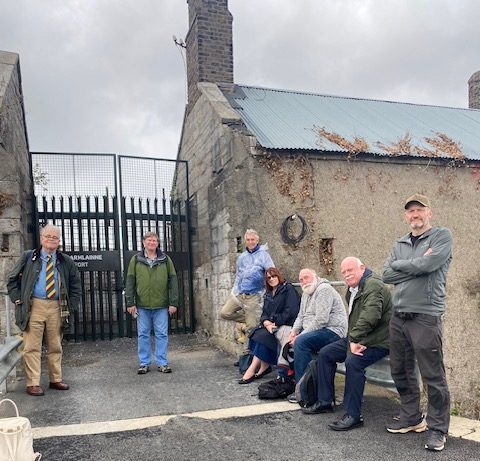
The Dublin recce provided members with the opportunity to learn more about the events of Easter week 1916; we visited several of the key locations associated with the Rising, including the General Post Office (GPO) the Four Courts, Mount Street Bridge, St Stephens Green and the Magazine Fort in the Phoenix Park. There were also opportunities for social events which included lunch in the historic Old Schoolhouse at Mount St Bridge and O’Shea’s bar beside the river Liffey.
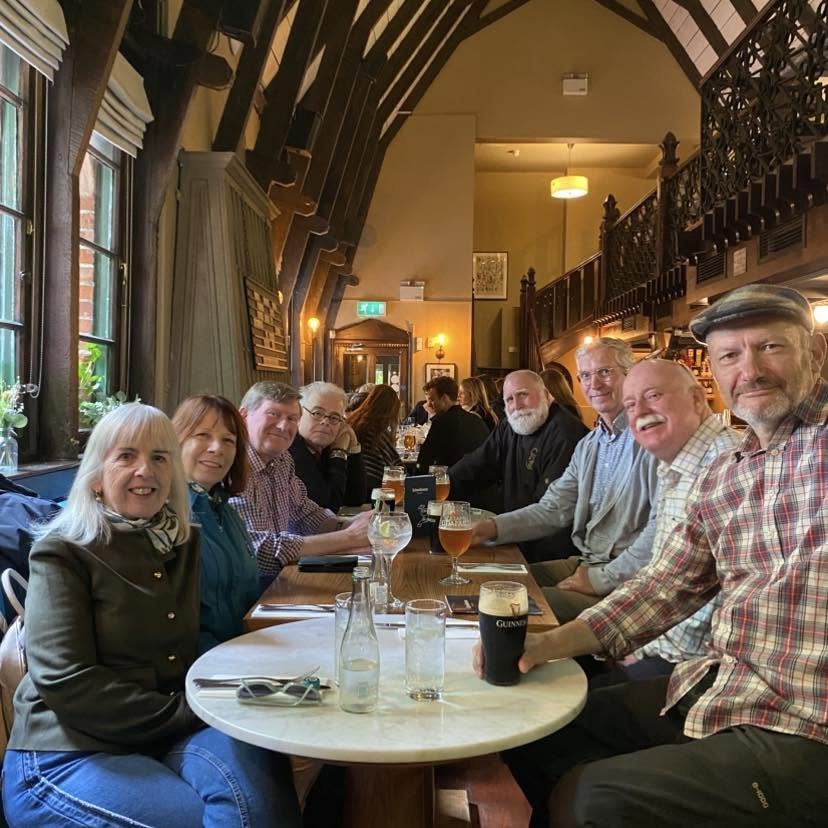
Members lunching in the Old Schoolhouse on Northumberland Road. This was one of the buildings held by men from C Company of the 3rd Battalion of the Irish Volunteers and cleared by 2/8th Battalion of the Sherwood Foresters. Bullet strike marks are still visible.
The Recce concluded on Sunday with a visit to Glasnevin Cemetery.
Badged Guides Dinner in York
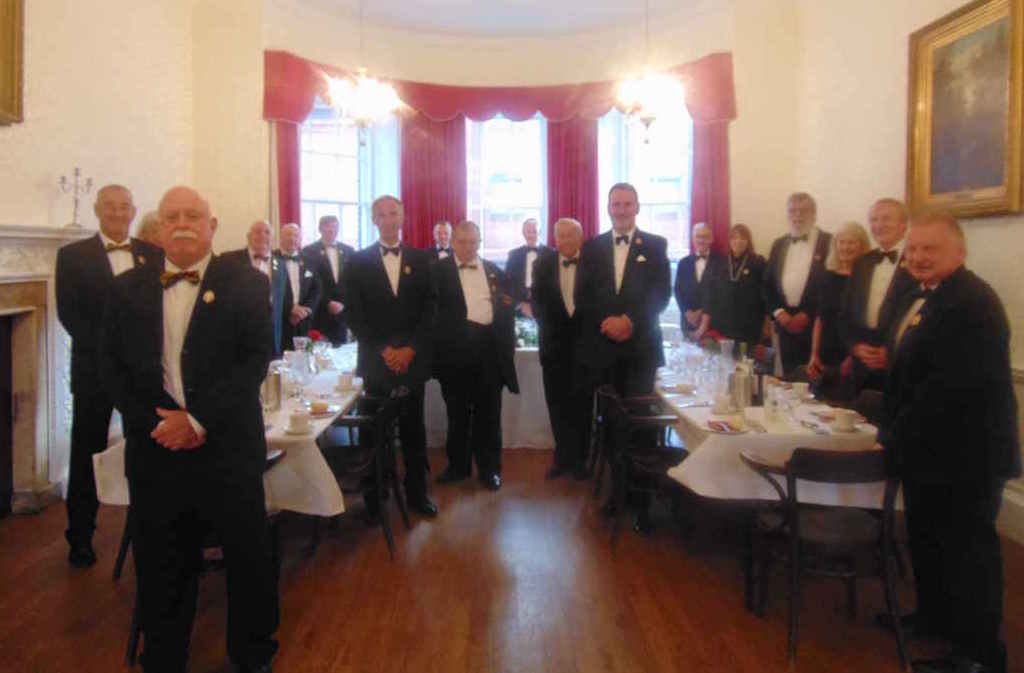
Members before dinner
On Friday 28 August the Guild held its first Badged Guides Dinner outside London. Eighteen members and guests gathered in the bar of the Hilton Hotel in the centre of the walled city of York. After greeting old and new pals over a drink we walked round the corner to Castlegate House, a Grade 1 Listed Georgian house. Here, before dinner, Graeme Green talked about the 4/7th Dragoon Guards from Dunkirk to D Day and Charles Le Brun gave us some fascinating vignettes from the history of the Royal Yorkshire Regiment and their antecedents. We then enjoyed an excellent three course meal.
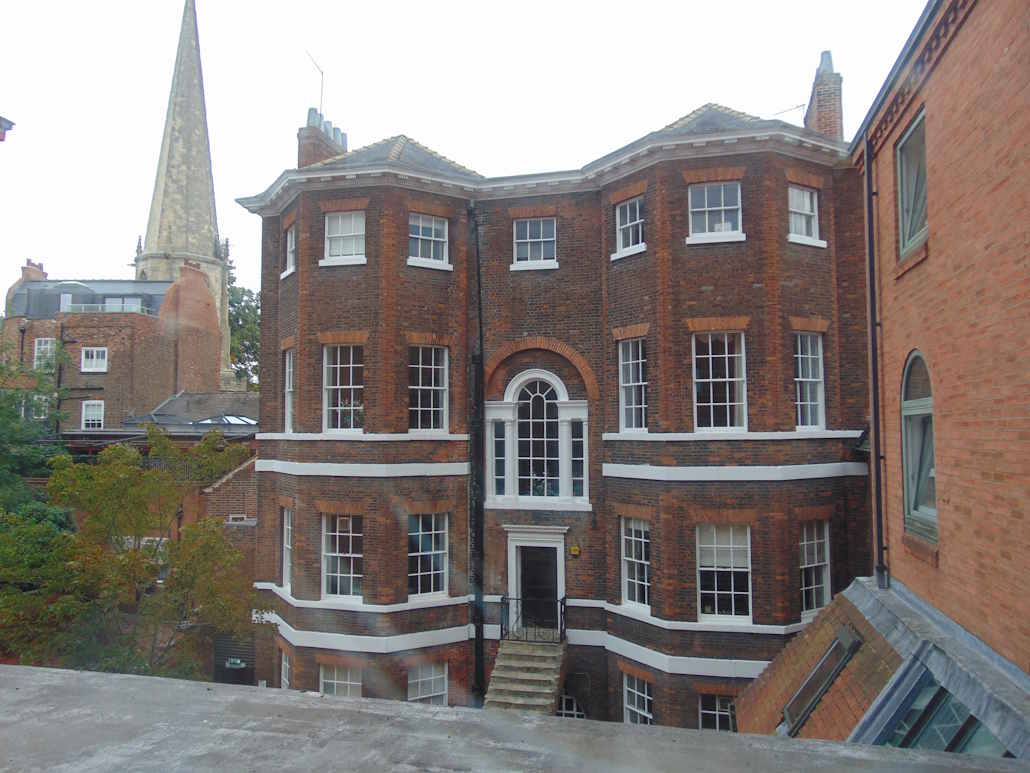
Castlegate House
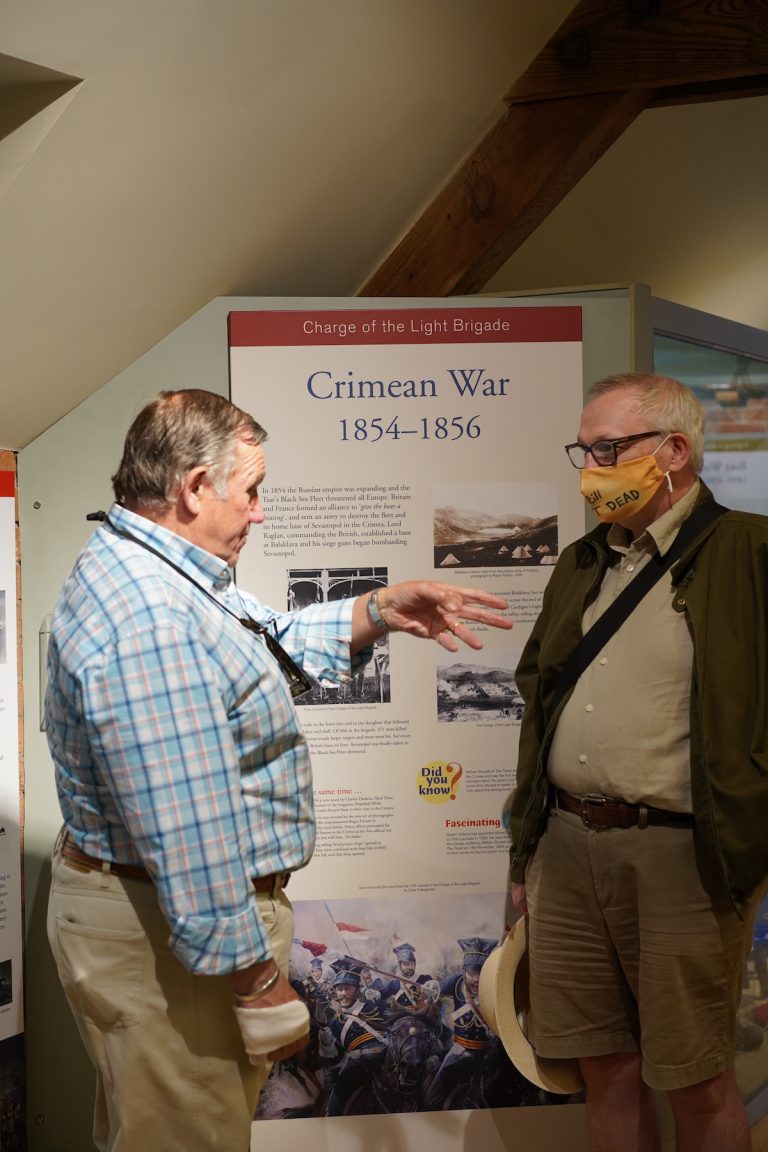
On the Saturday morning, we gathered at the York Army Museum, which displays the history of the Royal Dragoon Guards and the Royal Yorkshire Regiment. Instead of a normal museum visit we lucky enough to be guided around by Graeme Green who had devised and developed the museum in its present form. He explained the rationale for the layout and exactly why everything was where it was. Everyone was fascinated and before we knew it two hours had elapsed and members were still firing questions at Graeme.
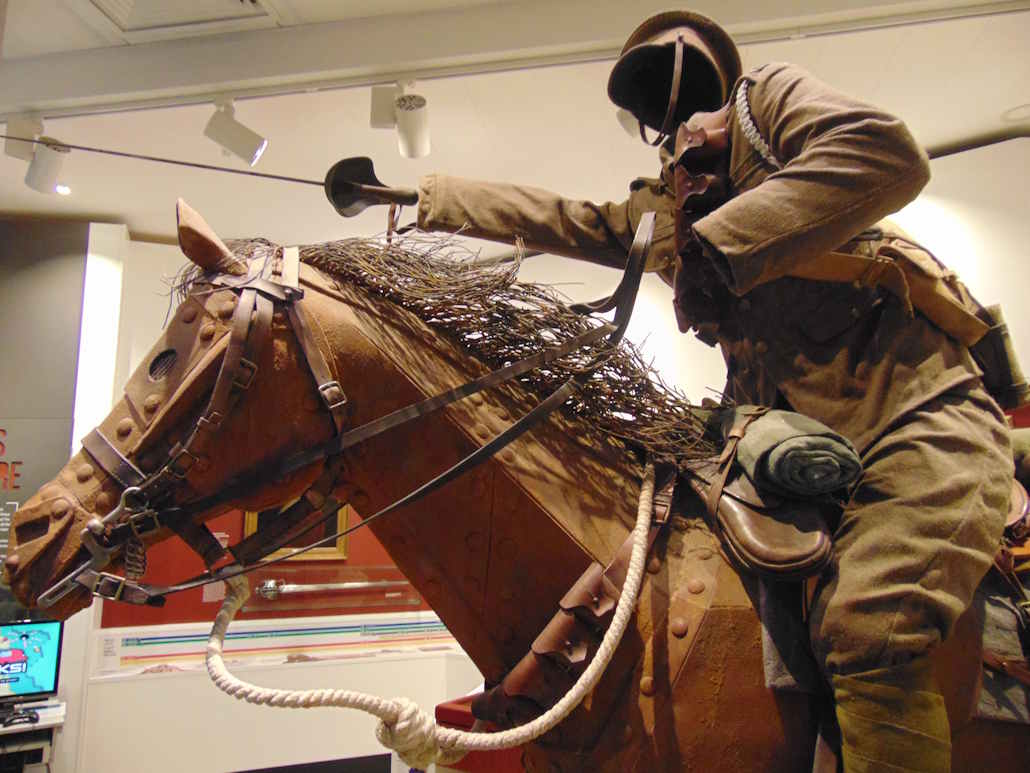
1914 Cavalry in the York Army Museum
The next Badged Guides Dinner will be on Friday 20 August 2027.
23rd Annual Golf Championship – John O’Gaunt Golf Club, Bedfordshire
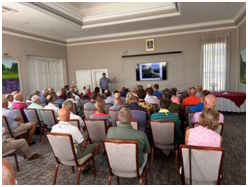
On Wednesday 12th August, the Guild held its annual golf championship at the John O’Gaunt Golf Club in sweltering heat.
The day began with bacon rolls and coffee, followed by an excellent 50-minute presentation from Bob Shaw, “SOE and Resistance in Europe in WW2 – A Model for the Present and Future Ukraine Conflict,” attended by 70 guests ahead of a 12-noon tee-off. The heat did nothing to dampen spirits, and there were some excellent scores on the day considering the conditions.
Before sitting down to a wonderful meal, guests enjoyed pre-dinner drinks on the patio, with the added spectacle of an almost-total solar eclipse passing overhead. There was no auction this year, but the raffle raised just over £500, to be donated to military causes.
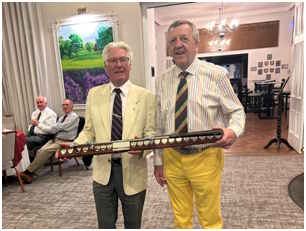
Mike Mizen receiving his runners-up trophy from Mike Tipper, our Winner
Congratulations to Mike Tipper, IGBG Champion Golfer of the Year, with Mike Mizen as runner-up. The John Akehurst Tankard & Putter remains open to current and former Guild members only.
IGBG Lechlade Event
On 25 July 2026, for the first time in his life, Guild founder member and inventor of the original validation system, lost his voice on the morning of a battlefield tour that he was guiding. It was therefore lucky that only seven people turned up for the Guild event that he planned and led at Lechlade in Gloucestershire that day. We were able to “close in” in a way that would have been impossible for a larger group. Those that have been guided by Chris Scott on a battlefield before will know that one does not want to miss a word of his. True to form, he brought to life the “bright hedge of death”, as the pike wall was known in the English Civil War, as he did the horse pistol caracole and the musketeers’ ambush. All were part of a skirmish in Lechlade in 1645.
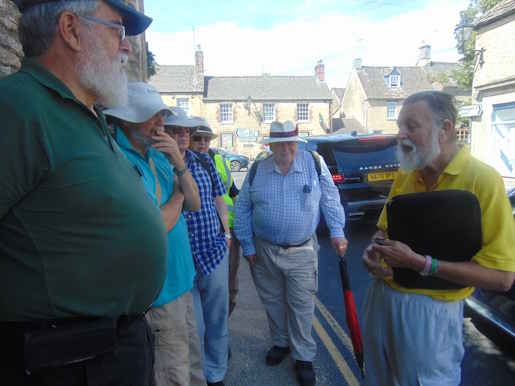
Chris Scott on the site of the “bright hedge of death” on St John’s Lane in Lechlade
After guiding us around the battlefield Chris showed us the only extant primary source about the action and we compared it to a secondary source and “local legend.” We then had lunch in the Swan Inn, which pre-dates the Lechlade skirmish by well over a century.
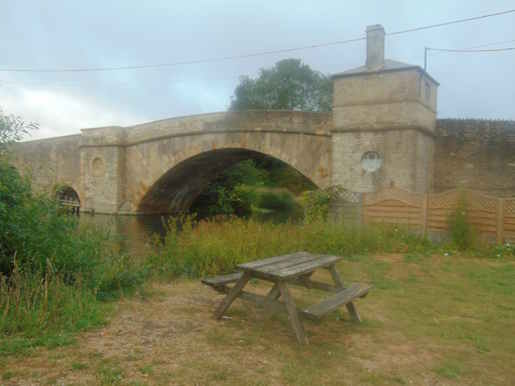
The bridge over the Thames that gave Lechlade its strategic importance
Following lunch, some of the party visited Highworth, where Chris told the story of the siege of the town by Parliamentarian forces in June 1645. Evidence of the fighting still visible includes several hits on the church from musket balls as well as a strike (see photo below) from a much larger weapon.
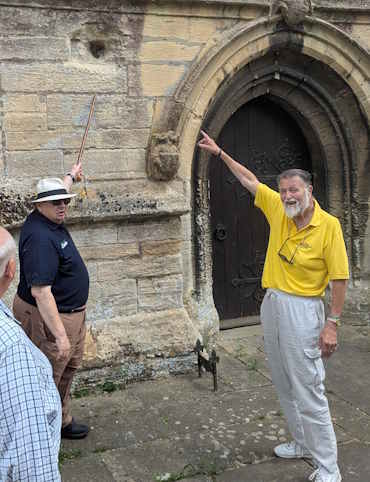
Chris Scott and Anthony Rich indicating the impact point of a cannonball (from a saker?) on the west face of St Michael and All Angels Church, Highworth
This event was planned by Chris for all three of the organisations of which Richard Holmes was the Patron; The Guild of Battlefield Guides, the Battlefield Trust and the British Commission for Military History.
Guild Bomber County Event
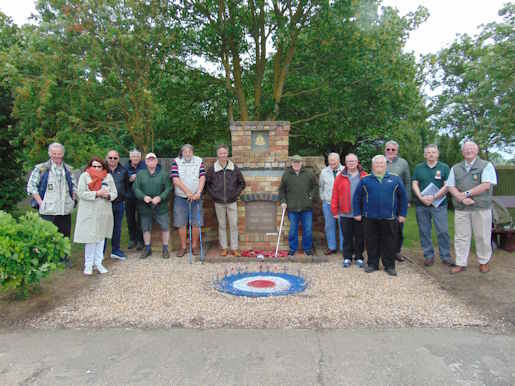
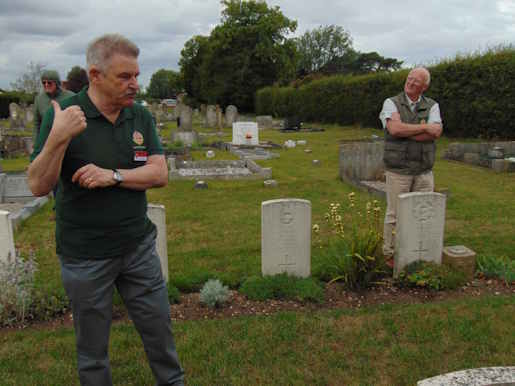
Fifteen members of the Guild gathered for the Bomber County Day in Lincolnshire. The first visit was to the former Bomber airfield at Metheringham where Andy Johnson talked about the wartime airfield expansion programme, FIDO, and about the action in which Warrant Officer Norman Jackson of 106 Squadron was awarded the Victoria Cross. This was followed by a visit to Coningsby village cemetery where Chris Finn explained the background to a number of the burials – which link to the distinct phases of Bomber Command. We were fortunate to be able to watch eight Typhoons followed by the Red Arrows taking off to take part in the King’s Birthday Parade fly-past. We ended the day with a visit to the Lincolnshire Aviation Heritage Centre at the former RAF airfield at East Kirkby. After a decent lunch we were able to visit the Lancaster (which is in taxiing condition) and see the many exhibits telling the story of Bomber Command. This is a really good museum with lots of “things” to see. Many thanks to Simon Burgess for coordinating the day and to Andy Johnson and Chris Finn for their expert and enthusiastic guiding.
15 June 2026
Award to Chris Finn
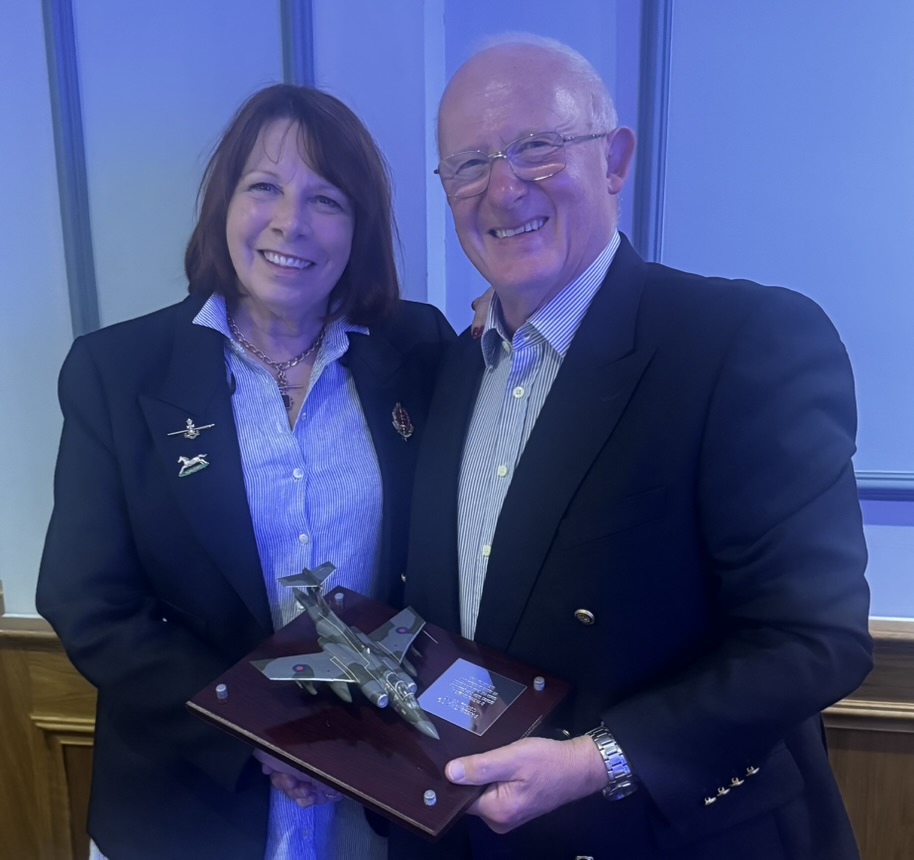
Chris Finn, who stood down as Accreditation Director in January, was awarded the Richard Holmes Award, at the Annual Dinner, in his absence; it will be formally presented to him at a convenient time. Additionally, last Tuesday Sue King, our Education Director, presented with a model replica of one of the Buccaneer aircraft in which he flew as a navigator in XV Squadron RAF
IGBG Bavaria Recce
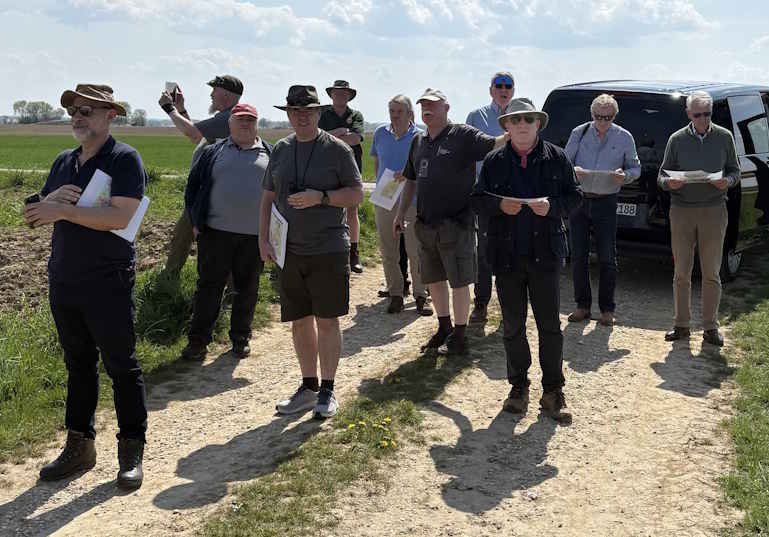
Fifteen Guild members and guests visited an eclectic variety of military history sites whilst based in the beautiful Bavarian city of Munich. Arriving on the Friday night we started the weekend with a three-hour evening walk around some of the places in the city that related to the rise to power of Adolf Hitler and the Nazi party. Many of these were beer halls – with which Munich abounds. These included the Hofbrauhaus where Hitler founded the Nazi party in 1920, the Burgerbraukeller where the 1923 putsch began, and the Feldhernhalle where it ended.
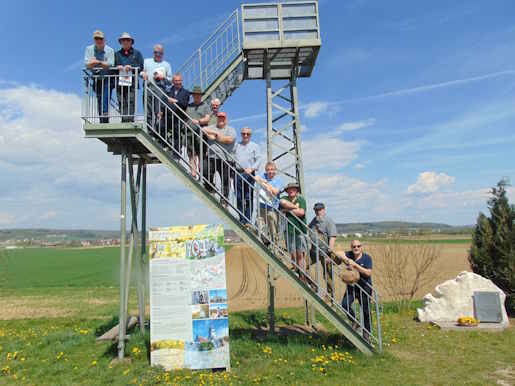
The Saturday was spent on the 13 August 1704 battlefield of Blenheim. We drove the seventy-five miles in two hired minibuses driven by Andy Johnson and me. The battlefield has changed little, and the course of the action can be easily followed over the foothills of the Swabian Alps, the banks of the Danube and the little villages on which the Franco-Bavarian defences were based. In the evening, we all ate together in a typical Munich Inn called Zum Durnbrau where lots of pork featured on the menu.
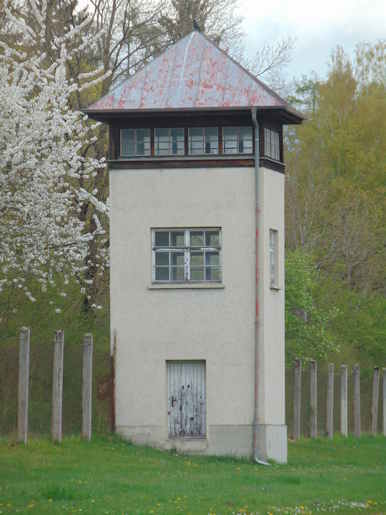
On the Sunday we drove an hour north where the little known and less advertised German First World War Museum is based in the Reduit Tilly on the banks of the Danube in the city of Ingolstadt. It was fascinating to see the Great War from “the other side of the hill”. In the afternoon we drove down to Dachau concentration camp, just outside Munich. No guiding is allowed here so Andy Johnson told us all about it outside the site before a sobering visit to the Nazi’s “model camp” on which all their concentration camps were based.
We dispersed on Monday after a full-on weekend which informed and entertained a mix of old and new members including two members of the Management Board and the President.
IGBG Midlands Day Event at the Site of the RAF Fauld Explosion
27 November 1944
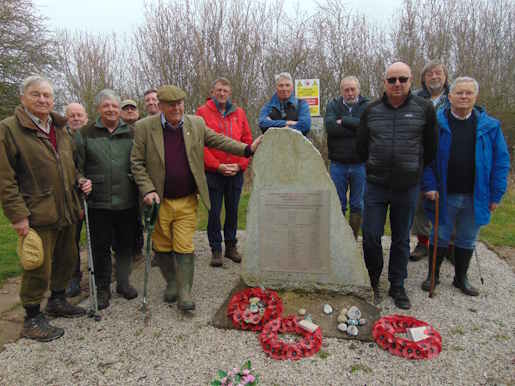
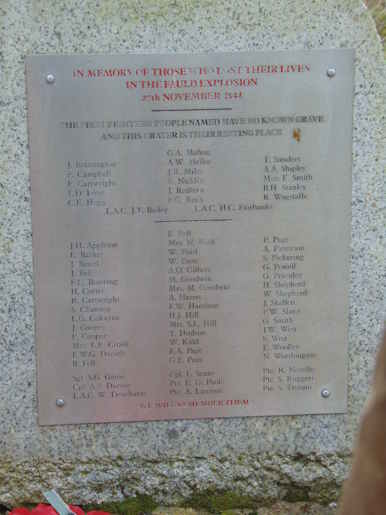
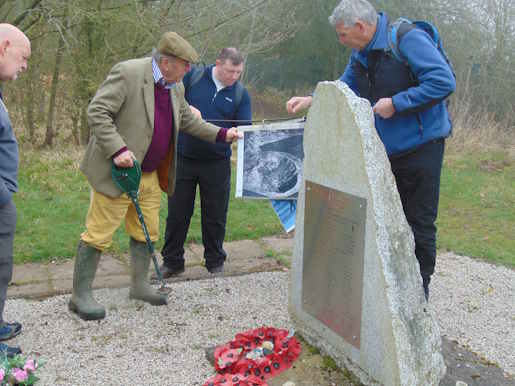
21st March saw twelve GBG members and guests assemble for a recce of the site of Britain’s largest terrestrial explosion when 4-5000 tons of bombs exploded in the underground bomb store of 21 Maintenance Unit, RAF Fauld in Staffordshire the principal bomb and ammunition store for the RAF. Seventy lives were lost, a complete farm vanished and the nearby village of Hanbury was almost demolished. We were hosted by farmer James Major on whose private land the remains now are. After viewing the crater and memorial we travelled down in car and shoot trailer to the old entrances to the storage area to discuss rescue efforts and the many bravery awards from that day. Afterwards the group retired for a convivial lunch in the nearby village of Tutbury. An informative and successful recce to a little-known WW2 incident.
Thanks to members Chris John and Richard Barnes for organizing the recce and many thanks to James for not just allowing us on his land but also telling us so much about the disaster and aftermath.
Valmai Holt MBE
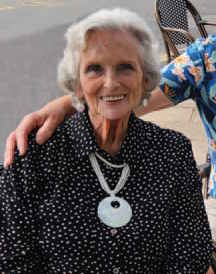
Valmai Holt, a much-respected and longstanding member of our Guild, has been appointed as a Member of the Most Excellent Order of the British Empire (MBE) for services to Military History and War Commemoration. She has said that she considers this honour to be one shared with her late husband, Tonie.
On behalf of the Guild, the Secretary has offered her our heartiest congratulations.
Guild’s Most Northerly Badge
Members will be aware that the Guild’s newest Accredited Member is Jon Sandison; however, many will not be aware that he has become the most northerly badge holder – and in evidence of that, this photo shows the badge in a battle-related site on Jon’s home island.
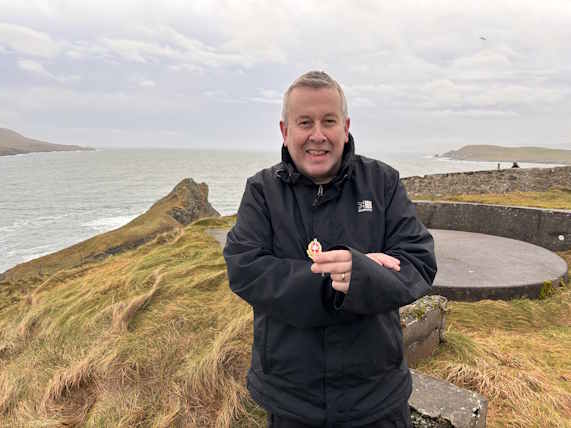
Jon puts the location in context:
“The photo was taken on the southern approaches to Lerwick harbour in the Shetlands. Next stop to the south is Orkney, and then, of course, mainland Britain.
To expand: the concrete structure at the back is one of two 4.7″ Mark IV coastal gun positions put in position here during World War One, in 1918. The guns were taken from HMS Brilliant. She was based in Lerwick as a depot ship for the Auxiliary Patrol.
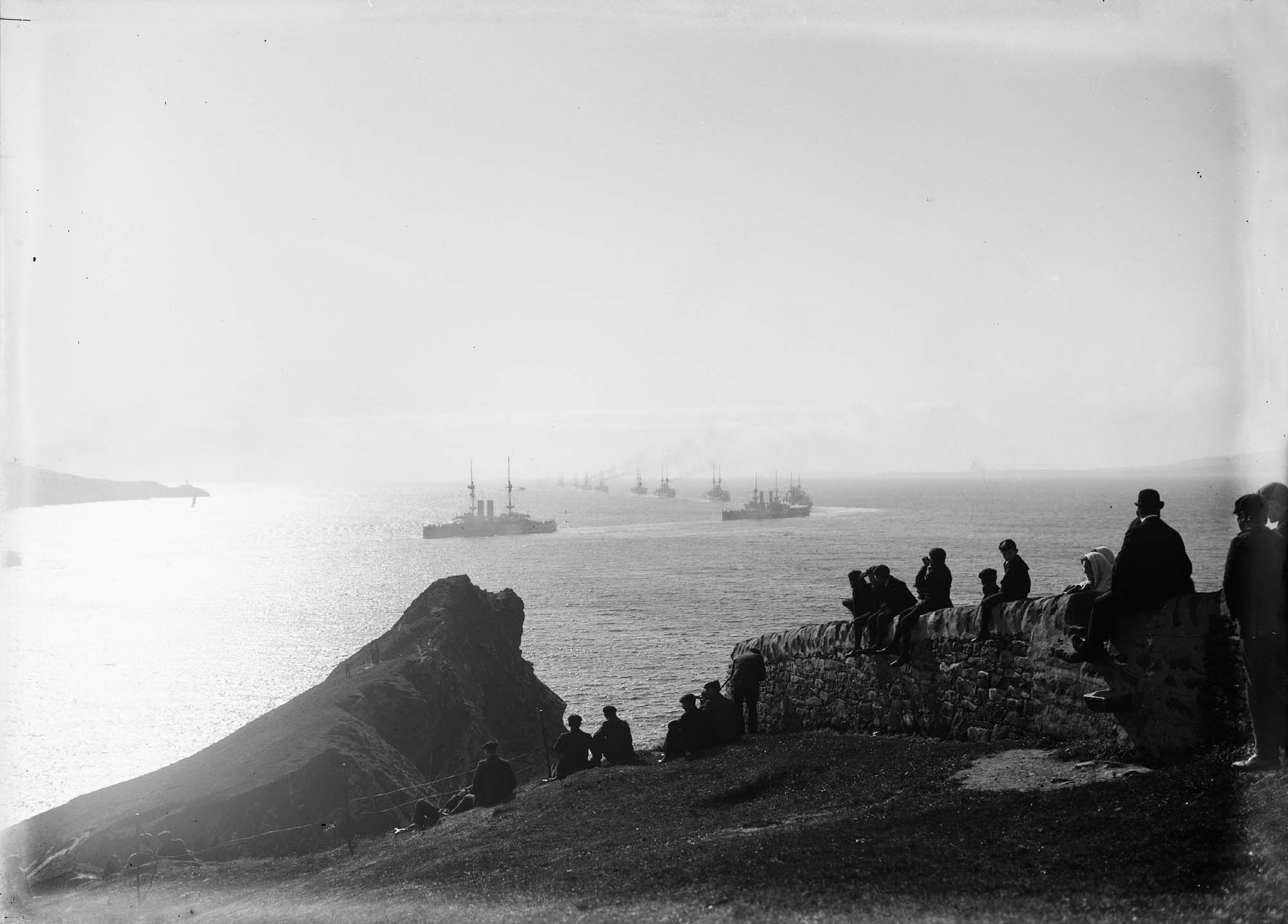
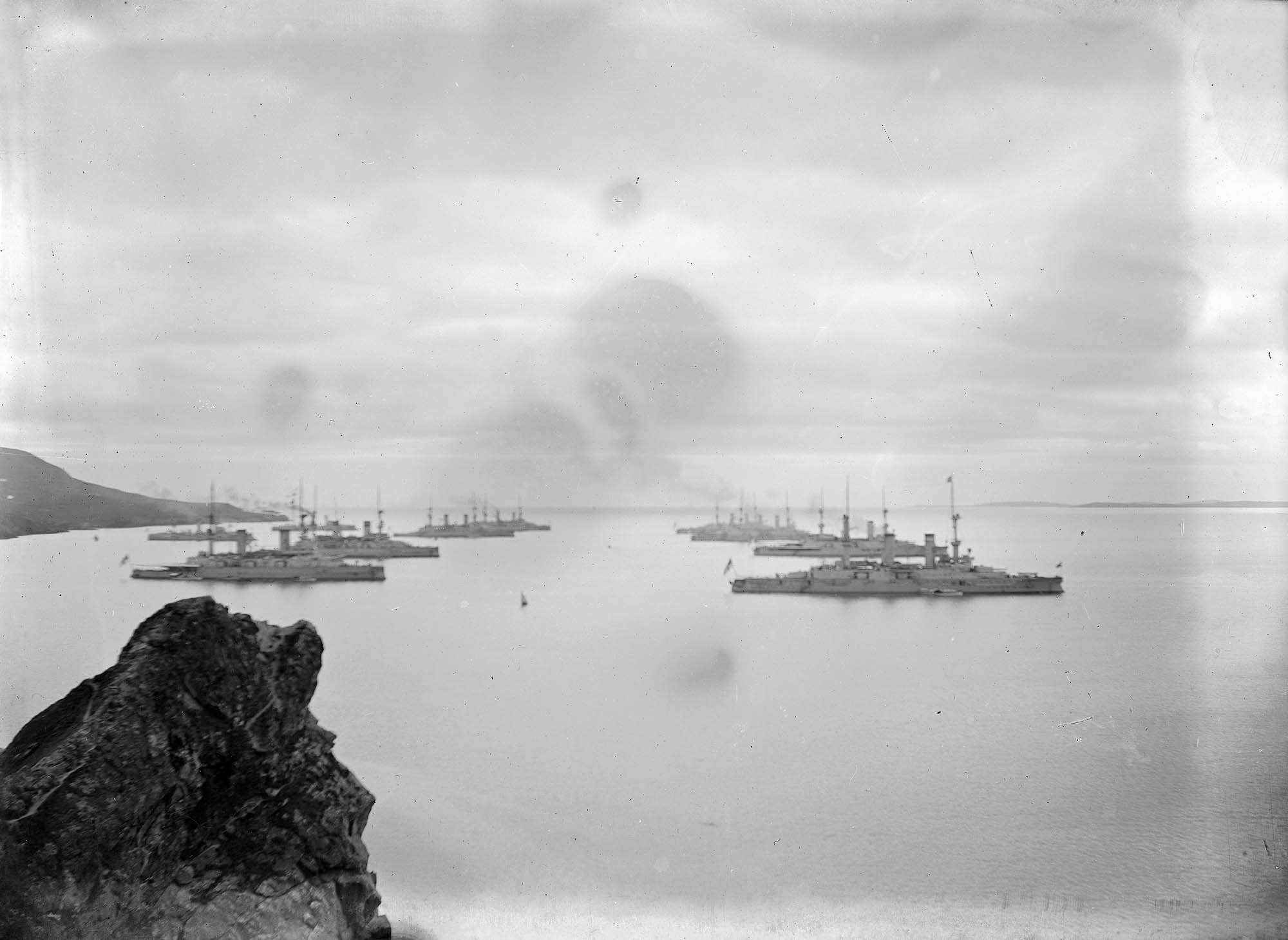
Below is a photograph of the Channel Fleet approaching Lerwick in September 1905, from more or less the same position. One year before this, in July 1904, the German fleet had arrived out of the blue in Lerwick. A photo of this event is also below, and you’ll see the same landscape. This was widely reported at the time, and there was concern about the lack of Royal Navy presence in Shetland! Very recently, we’ve had the visit of HMS Somerset, which had been tracking the Russian ship, Yantar!”
10 November 2025
Guild of Battlefield Guides East Midlands Get-Together in Melton Mowbray on Saturday 1 November 2025
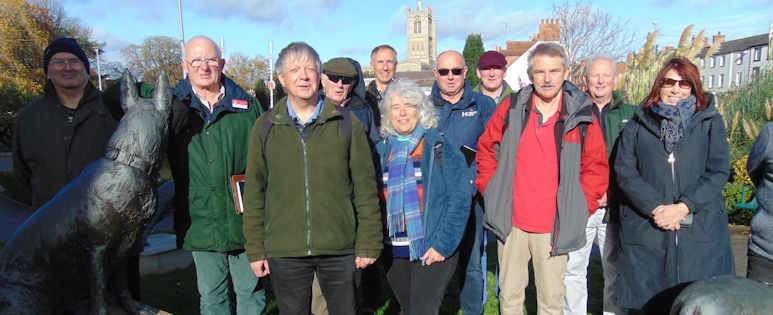
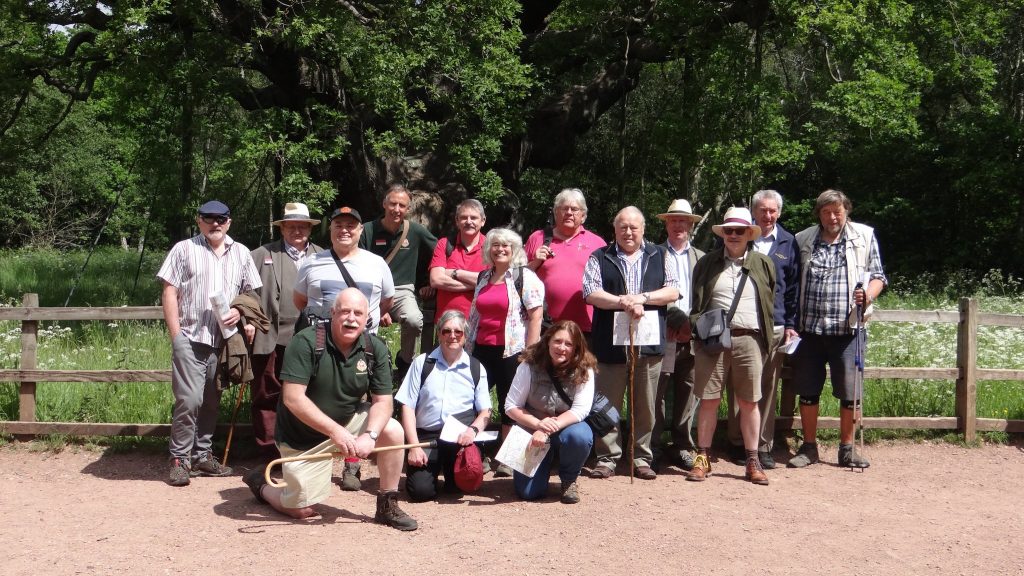
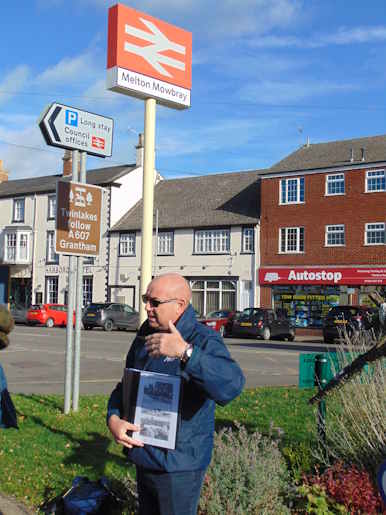
13 of the 18 members of the Guild who live in the East Midlands got together recently in Melton Mowbray. It was our first East Midlands gathering since Sherwood Forest in 2021. The turn-out would have been even better if one member, who shall remain nameless, had not paraded exactly 24 hours late for the event! On a bright sunny day we were taken on a tour of the town centre by Guild member Brian Fare, who showed us a quite remarkable selection of buildings, sites and plaques connected with military history from the English Civil War to post WW2. The reasons why such a modest sized market town has so much military history are two–fold. Firstly, it lies in the centre of the most famous hunting country in England. Consequently prominent families from all over the country had houses or “hunting boxes” in Melton. Brian showed us many such including those owned by the Earl of Cardigan, of Light Brigade fame, and the famous Commando and Chief of Combined Operations General “Lucky” Laycock. Secondly a large proportion of British Airborne forces were stationed in and around Melton in WW2 to take advantage of nearby airfields. We finished in an old https://www.gbg-international.com/wp-content/uploads/2025/11/DSC03065.jpgpub called the Ann of Cleves where we all enjoyed lunches with not a pork pie or piece of Stilton cheese in sight. Thanks to Brian for an excellent and informative tour which may inspire some of those present to develop something similar in their own home towns.
10 November 2025
IGBG Dieppe, St Valery and Bruneval Recce 24-27 October 2025
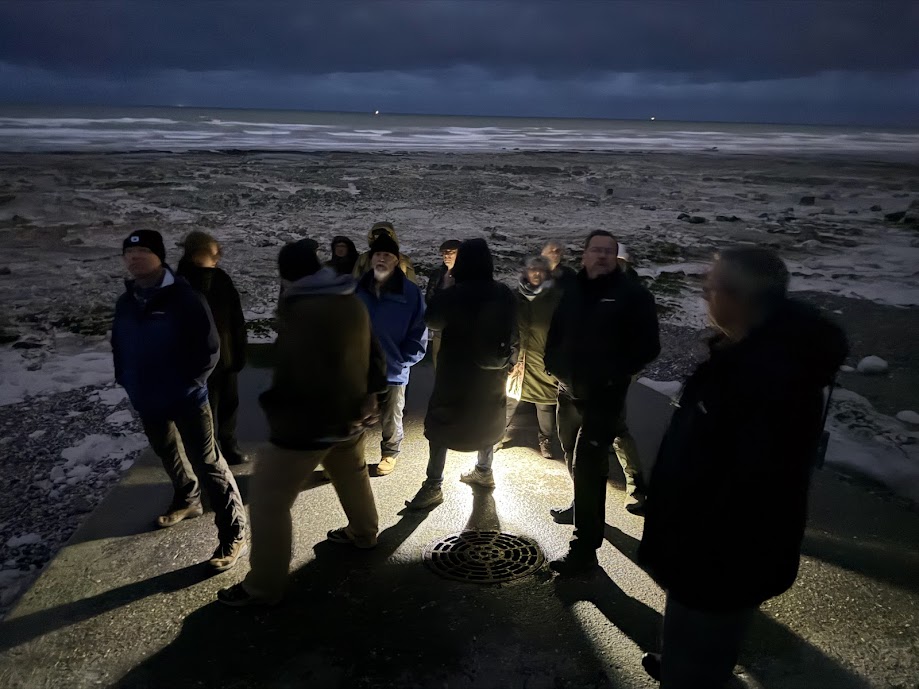
Robin Burrows-Ellis ran a very successful Guild recce to Normandy from 24 to 27 October 2025. Nineteen members attended and some deployed and recovered on the overnight Newhaven-Dieppe ferry. Rather than the events of 1944 in Normandy, the recce looked at the surrender of 51st Highland Division at St Valery-en-Caux in 1940, the first successful British airbourne operation at Bruneval in 1942 and the Dieppe Raid by the Canadians and Commandos, also in 1942. Members delivered the various stands, which were of a good standard and, subsequently, shared to all participants on Dropbox. Highlights included Rob Woolsey guiding whilst walking backwards, in order to get the itinerary back on schedule and Robin guiding Yellow Beach at Dieppe in the dark in order to simulate the Commando’s night assault. Peter Young said his proudest achievement in the war was to take 18 men up from the beach and to return with 18. Robin took 19 guides up from the same beach and returned with 19!